
Butzeck: “The IHF needs to be reorganized”
The IHF Congress in Cairo in December 2025 will mark a milestone for the global handball – for the first time since his presidency began in 2000, the IHF President faces genuine opposition, with now three candidates. The first to announce his candidacy was the German Gerd Butzeck. One of his main goals is to innovate the entire structure of the International Handball Federation: “In order to be able to work in a sustainable manner, the IHF needs to be reorganised in terms of its administrative office and committee structure, and to increase the participation of all global stakeholders. A separation between elected members and the full-time operational office should be sought. The operational team at the headquarters in Basle must be expanded in all areas such as organization, development, competitions, communication and many more.”
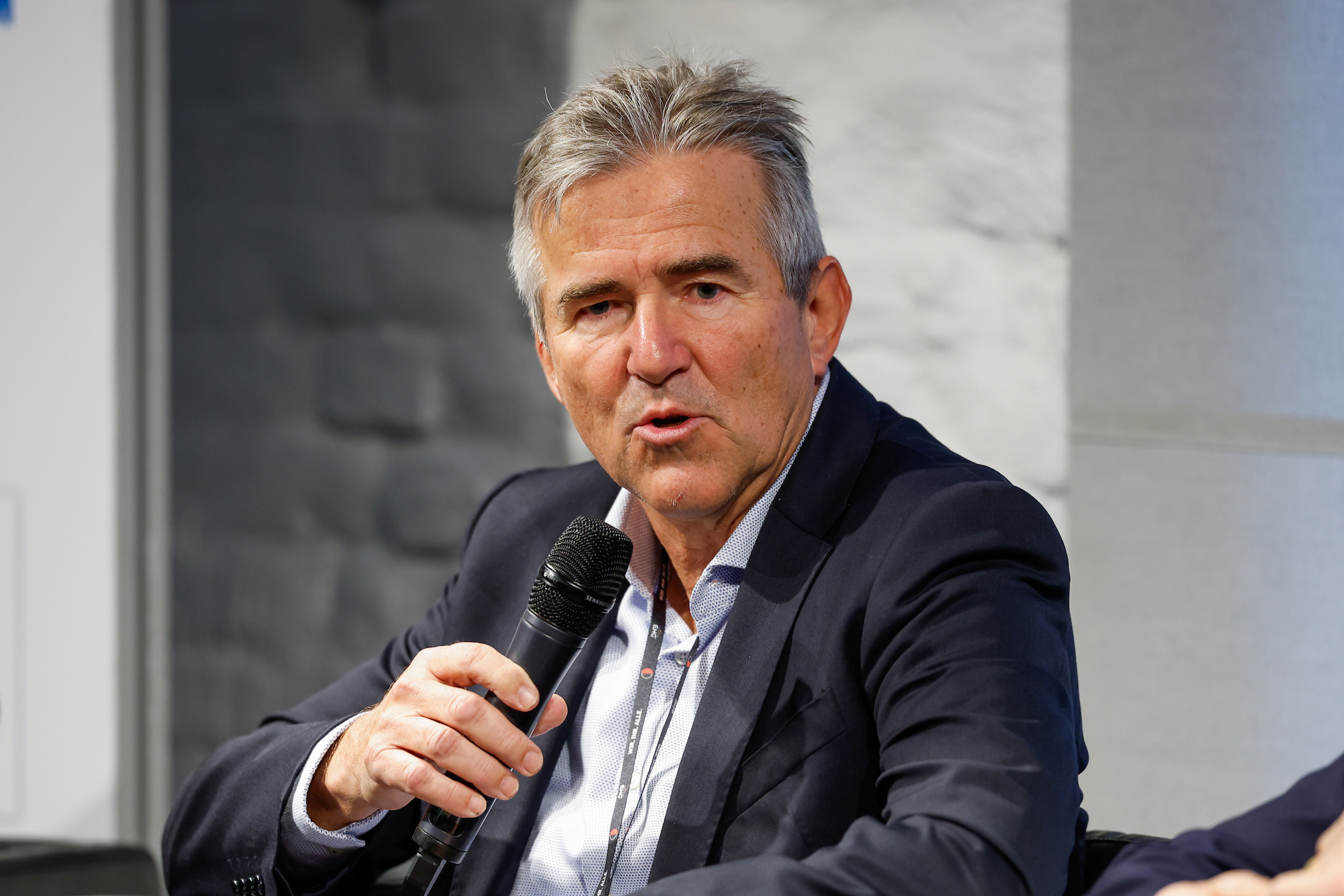
2024 Germany, Cologne, Germany, 26.01.2024., Mandatory Credit © Jozo Cabraja / kolektiff
Part of those proposed changes to the IHF structure would be the introduction of regular exchange and coordination processes within the committees, as well as a new code of ethical conduct to increase transparency. In addition, Gerd Butzeck advocates an age limit for top positions and a limit on the number of terms for all members of the IHF Executive.
“The most important aspect of being in a leadership position is communication. A well-organized communication structure within an organization provides many advantages. This is a key takeaway I have learned over the years. Moreover, it is essential to ensure that the people around you are more competent than yourself. As a leader, you are not the person who knows everything. You must consult with others and bring their opinions and skills together,” says Butzeck about his strategy, should he be elected as the new IHF President.
From his extensive experience in various handball functions, Butzeck believes the EHF system could serve as a role model for the IHF: “Europe will be the driving force for all global development, also in terms of structures. The EHF is a well-structured organisation with various departments responsible for different topics, each with its own responsibilities and budgets. In my view, this is a good structure. The IHF works differently, I would say. The most important thing is that the IHF and EHF cooperate closely and that there is a good relationship between the leaders of both organizations.”